The promise you make at the front door and have to keep in the back office

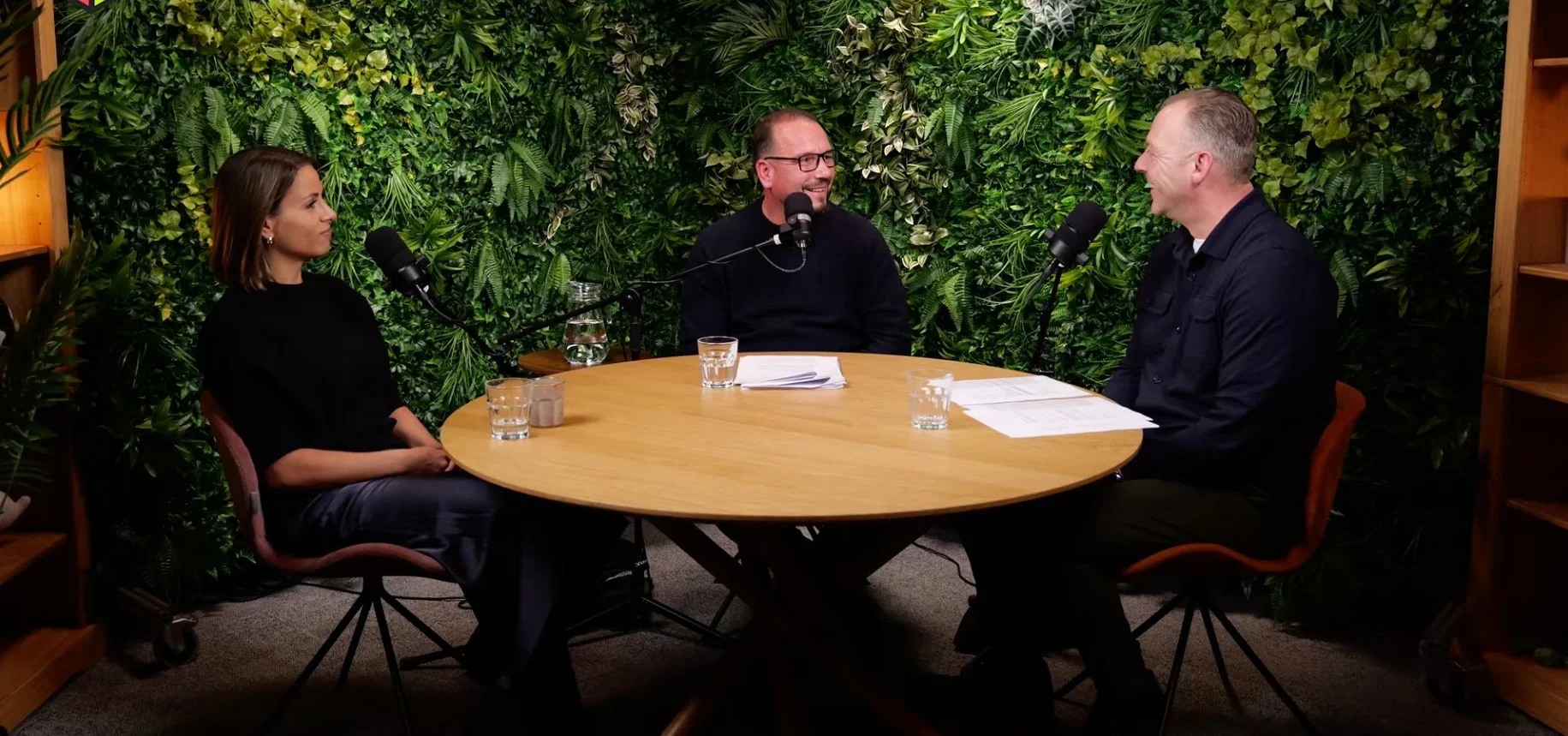
The promise sounds great. Delivering on it is another story.
Sam puts it vividly. Wavin supplies construction and infrastructure solutions across 45 countries. From pipes to complete rainwater management systems for new residential developments. Including large, unwieldy items that need to fit in a truck and arrive on Tuesday between nine and ten at a distribution centre that itself has a hundred suppliers, each with their own delivery windows.
"With promises like that, you almost always create impossible processes. Or rather, the processes are possible but almost always manual."
Manual. That one word represents an army of people working behind the scenes to make the difference between a promise that holds and one that falls apart.
250,000 products, delivered tomorrow
Arnout recognises it immediately. Koninklijke Oosterberg carries an assortment of around 250,000 products. The promise: next-day delivery across the entire range.
What I appreciate about how Oosterberg handles this: they started a conversation. They introduced small order fees, helped customers cluster orders, and agreed on fixed delivery days. And it works. Customers understand it and adjust their behaviour. Nobody wants to send a truck out for a single €1.50 switch.
The real problem sits in the triangle
Where does it break down as growth accelerates? Sam and Arnout agree: it’s never one thing. It’s the combination of people, systems, and data that aren’t running in sync.
"We have a lot of systems that all work together, and if any part of that isn’t seamlessly connected, manual work creeps in. And manual work is error-prone."
At Wavin, that has led to a harmonisation programme: first understand and streamline processes, then implement them in systems. Not the other way around. That sounds logical, but I’ve learned from experience how often it goes the other way.
AI isn’t a magic wand, but it is a flywheel
Arnout sees opportunities for AI in product data at Koninklijke Oosterberg: thousands of products, millions of specifications, and suppliers who don’t always deliver their data in good shape. Updating it manually is no longer an option.
Sam looks further ahead. Orders that currently arrive by email or PDF — she wants those processed automatically. Her team still wants to review them for now, but she’s clear about where it’s heading:
"My goal is for that process to eventually run completely automatically and without errors."
At rb2, we see the same thing. The first response to automation is always a degree of scepticism — not because people are resistant, but because they feel a sense of responsibility. The art is shifting that from control to supervision.
B2B deserves its own approach
I’m saving the sharpest line for last. Sam puts it well:
"Stop trying to replicate B2C experiences in B2B. Your customer is a business, not an individual."
And she’s right. A contractor placing an order at six in the morning has different needs than someone buying a jacket from the sofa. The same intuitiveness, sure. But the context is fundamentally different.
B2B e-commerce that actually works doesn’t start with the webshop. It starts with understanding what’s happening on the customer’s side of the door, and what you need to organise in the back to make good on it.
Relevant cases
Your ideas can be as succesful as these cases
Jeans Centre and rb2 transformed an unstable eCommerce platform into a fully connected omnichannel experience.

A scalable platform helping EuroParcs break records and achieve their ambitions
Ready to take the next step?
Are you ready for a new e-commerce solution and would you like to know how rb2 can help you? We would be happy to hop on a call to get to know you.
Thank you for your submission!

More insights
Years of knowledge and experiences we would love to share with you